This Saint’s Story
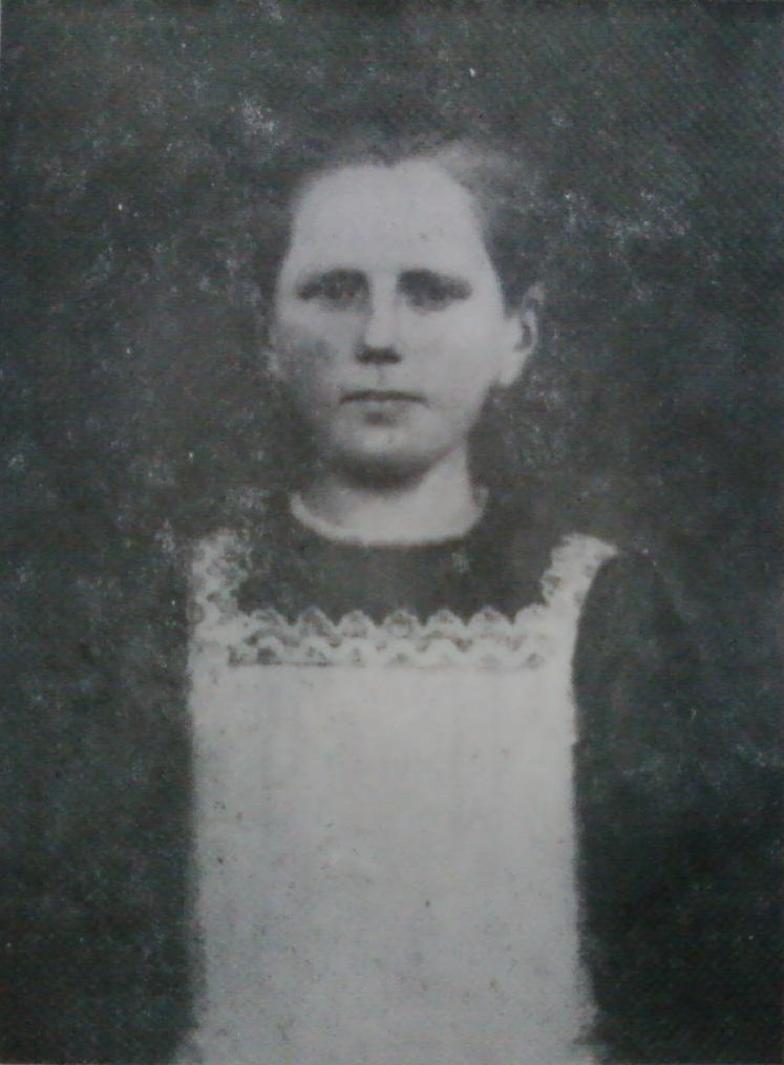
She was one of eleven siblings in a peasant family. Shortly after her birth, she was baptized, and she grew up working on her family's farm. From a young age, her strong faith was evident, as she actively participated in her local parish. Karolina often invited neighbors to join her in reading the Bible and was known for her deep devotion to prayer, frequently reciting the rosary at night and leading her family in singing during Lent and Christmas.
As World War I began, Russian forces started to occupy Polish territories. Amidst the rising tensions and fears of violence against women, Karolina remained steadfast in her faith and commitment to her values. She received her confirmation on May 18, 1914, and continued her work teaching catechism to local children. Her uncle, who served as the village librarian, further inspired her spiritual journey, and she became a beloved figure in her community for her piety and dedication.
On November 18, 1914, Karolina faced a tragic fate when a Russian soldier attempted to abduct her. Despite her father's presence, she was left alone with the soldier, who then attacked her. Witnesses reported that she bravely resisted his advances, defending her chastity. In a fit of rage, the soldier fatally stabbed her. Although she managed to escape and ran towards nearby swamps, she ultimately succumbed to her injuries. Her body was discovered weeks later, and her funeral drew a crowd of around 3,000 mourners, who called for her canonization due to her martyrdom.
The process for her beatification began in the 1950s, reflecting the profound impact her story had on the local community and beyond. Pope John Paul II recognized her sacrifice, declaring her a martyr 'in defensum castitatis'—in defense of chastity. He beatified (declared 'Blessed', the step before sainthood) her on June 10, 1987, in Tarnów, Poland, celebrating her as a symbol of purity and courage in the face of violence.
Karolina's remains were later relocated to the main altar of the parish church in Zabawa, and a memorial was erected at the site of her death. Her legacy continues to inspire many, particularly young people, as a testament to the dignity of women and the strength of faith.